

'So Future Generations Know the Truth': Mariupol Doctor Speaks in The Hague for Justice
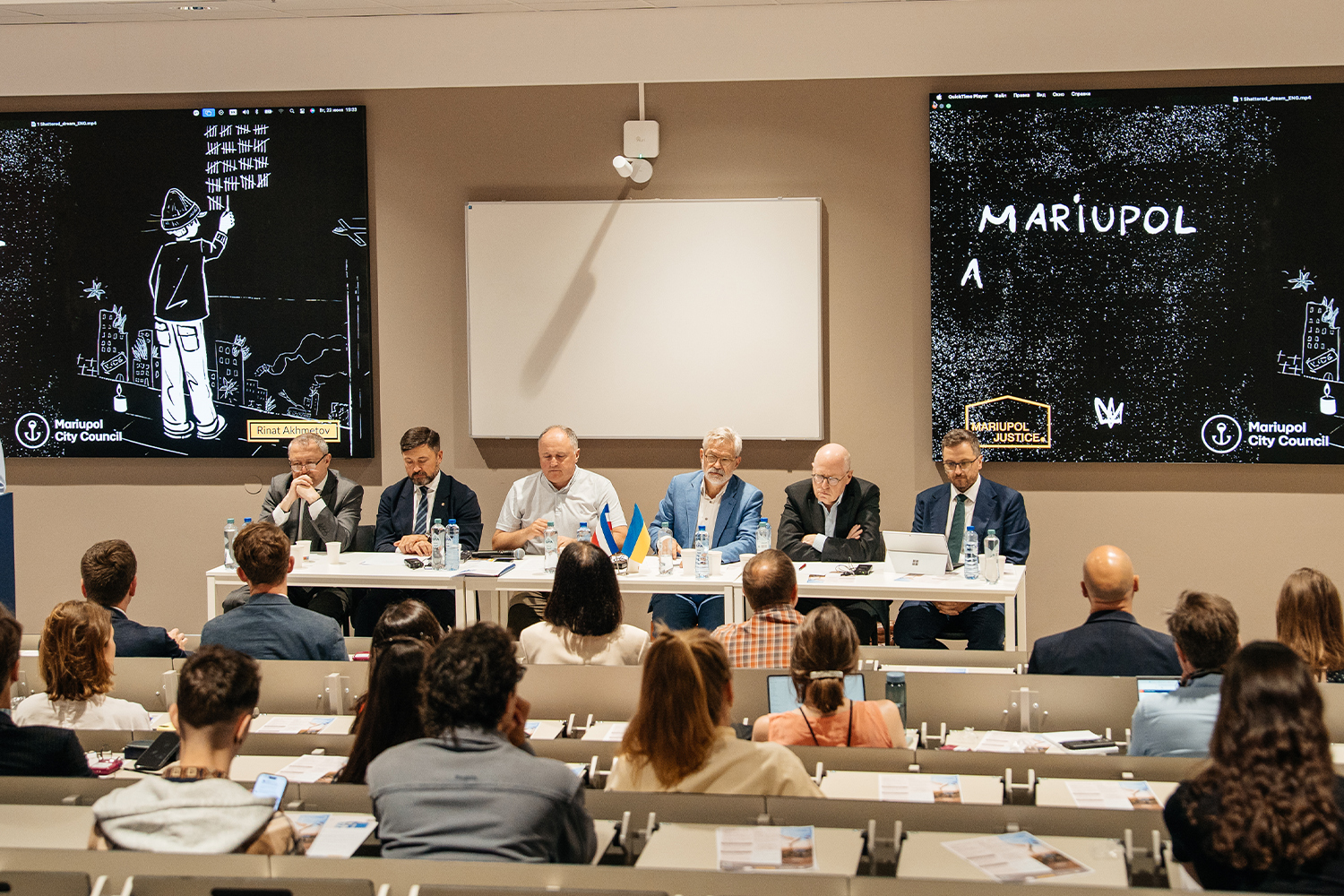
A public discussion titled “Mariupol Justice Initiative: Accountability for Ukraine Through the Lens of Mariupol” was held in the Hague, the Netherlands

Mariupol Doctor Andrii Servetnyk Speaks
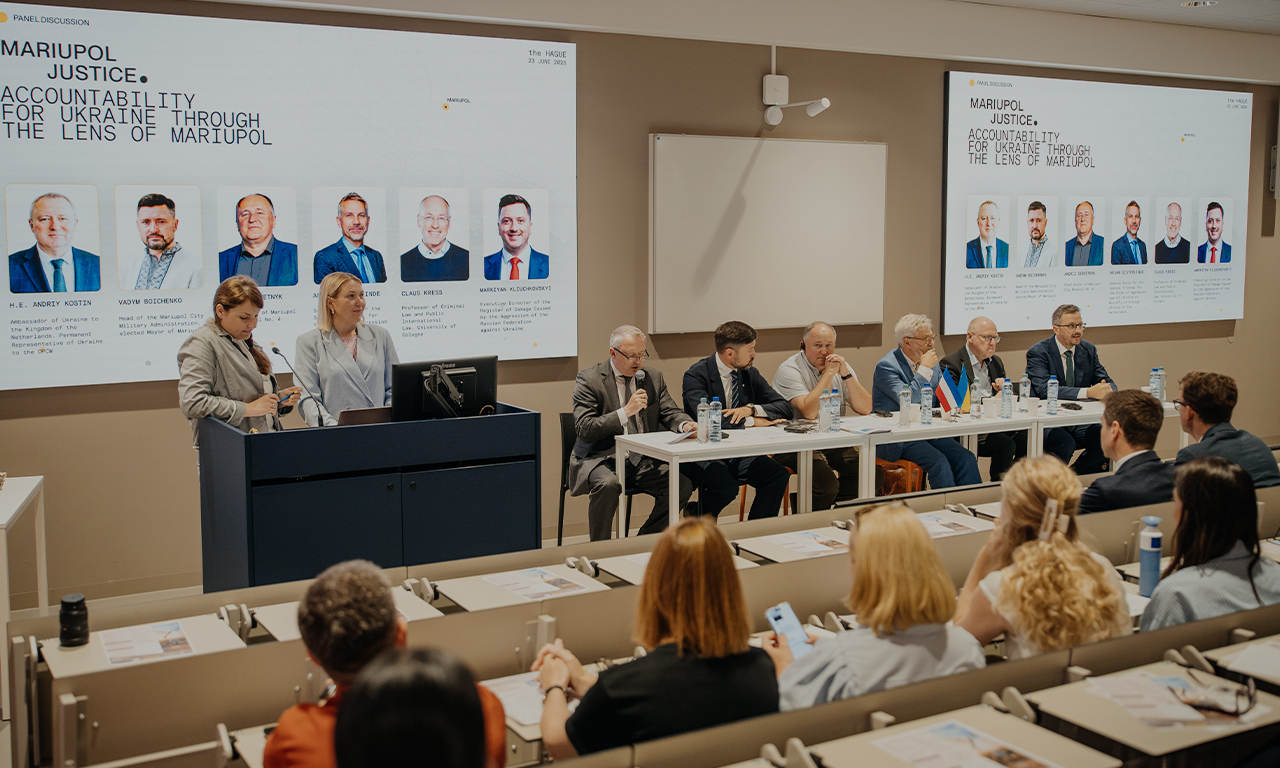
“Mariupol Justice Initiative: Accountability for Ukraine Through the Lens of Mariupol”
The story of Andrii Servetnyk, chief physician of Mariupol City Hospital No. 4, who faced one of Europe’s worst humanitarian disasters in 2022
KYIV, UKRAINE, June 30, 2026 /EINPresswire.com/ -- On June 23, a public discussion titled “Mariupol Justice Initiative: Accountability for Ukraine Through the Lens of Mariupol” was held in the Hague, the Netherlands. The event was organized by the Mariupol City Military Administration with the support of the Embassy of Ukraine in the Kingdom of the Netherlands. The Rinat Akhmetov Foundation serves as a key partner to the initiative.One of the key witnesses to the tragedy in Mariupol was Andrii Servetnyk, Chief Physician of Mariupol City Hospital No. 4, who worked in the city during the siege in the spring of 2022. His testimony is preserved in The Museum of Civilian Voices by the Rinat Akhmetov Foundation.
“The Russians spared no one—they systematically shelled the city and killed its residents. I witnessed it with my own eyes: ordinary people—young and old, women, men, and children. It is extremely important not to lose these memories, not to forget, and not to allow any further manipulation, so that future generations know the truth about this war,” says Andrii Servetnyk, a witness of the Museum of Civilian Voices.
The doctor recalled that by late February, the hospital had become completely isolated and found itself at the epicenter of a humanitarian catastrophe. The facility operated on a single generator, which could only be turned on for a few hours each day. Fuel and medicine were in short supply, and medical staff risked their lives daily searching for petrol at damaged petrol stations under shelling.
Due to severe staff shortages, even medical interns stepped in to assist with surgeries. When the hospital ran out of blood and plasma supplies, the staff resorted to direct blood transfusions from medical workers to patients.
“We had a young boy with a severed leg, and we had run out of donor blood. We had to take 200–300 milliliters of O-negative blood from one of our interns. We drew blood from that intern twice, and from another colleague as well. Thanks to that, we managed to save the child,” the doctor recalls.
However, casualties among the hospital staff were unavoidable. During the siege of Mariupol, at least 12 to 14 employees of the local hospital were killed, including Andrii Servetnyk’s colleagues who gave their lives while saving civilians: Andrii Hnatiuk, Anatolii Kazantsev, and Serhii Vlasiuk. Another 18 medical workers are still listed as missing.
To conceal the true scale of civilian deaths, the occupying forces confiscated and removed all of the hospital’s medical records after capturing Mariupol. For weeks, the bodies of deceased Mariupol residents had been brought directly from the streets to the hospital. Therefore, the testimonies of eyewitnesses such as Andrii Servetnyk are a crucial element in building the body of evidence for future trials.
Participants at the meeting noted that the international community has nearly completed the preparation of the legal framework for launching a Special Tribunal that would allow for the prosecution of Russia’s top political and military leadership for the crime of aggression against Ukraine. Crucially, the foundation for accountability lies in extensive work documenting these crimes.
“For the people of Mariupol, and for me personally, it is important that the voice of truth is heard—that the world learns the full reality of the Mariupol tragedy, sees the real face of this war, and recognizes Russia’s aggression against a Ukrainian city,” emphasized Vadym Boichenko, Head of the Mariupol City Military Administration.
Mariupol is one of the most extensively documented cases of war crimes against civilians. Its experience is now helping shape the international agenda on justice and accountability.
The Museum of Civilian Voices of the Rinat Akhmetov Foundation now holds more than 145,000 stories about the war, including around 12,500 from residents of Mariupol. It is the world’s largest collection of testimonies from civilians affected by Russia’s war against Ukraine.
Olga Nosyk
Rinat Akhmetov Foundation
+380 66 480 2084
email us here
Visit us on social media:
Instagram
Facebook
YouTube
TikTok
Other
Legal Disclaimer:
EIN Presswire provides this news content "as is" without warranty of any kind. We do not accept any responsibility or liability for the accuracy, content, images, videos, licenses, completeness, legality, or reliability of the information contained in this article. If you have any complaints or copyright issues related to this article, kindly contact the author above.
