

Your consumer goods news from the world
Provided by AGP
How Restaurants in Los Angeles Are Managing Used Cooking Oil Under Evolving Waste Management Regulations

#1 Used Cooking Oil Collection & Grease Trap Cleaning Services In Los Angeles

A service truck operated by Los Angeles Grease Company providing used cooking oil collection and grease management services for commercial kitchens in Los Angeles.
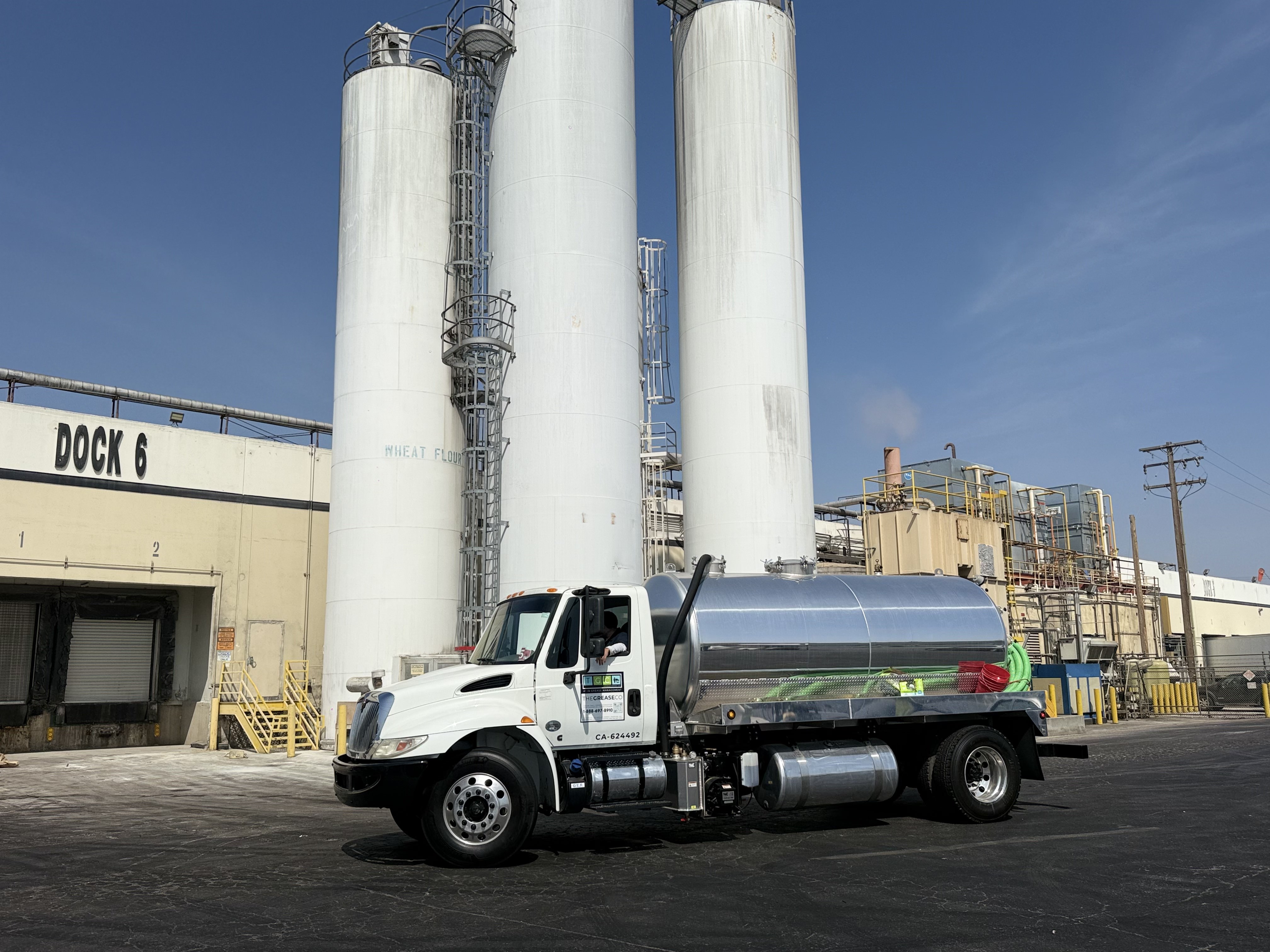
A used cooking oil collection truck at a recycling facility in Los Angeles, where collected yellow grease is transported for processing and recycling.
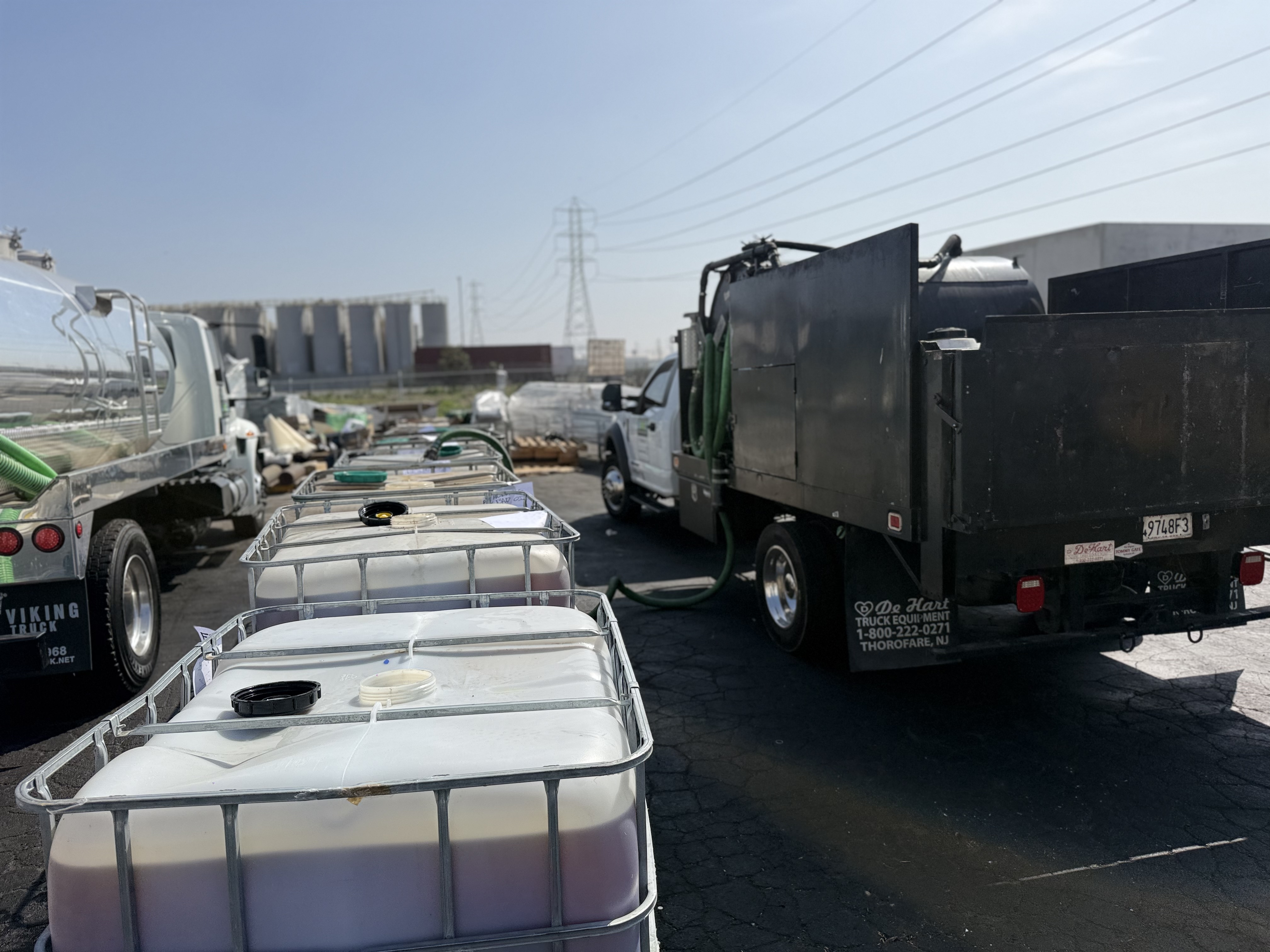
Large storage tanks at a recycling facility in Los Angeles used for holding collected used cooking oil prior to processing and conversion into reusable materials.
Restaurants across Los Angeles are continuing to adjust how they manage used cooking oil as waste regulations in LA evolve at both local and state levels.
Evolving regulations are pushing Los Angeles restaurants to improve oil storage, collection schedules, and documentation practices to maintain compliance and reduce operational risks.”
LOS ANGELES, CA, UNITED STATES, May 5, 2026 /EINPresswire.com/ -- Restaurants across Los Angeles are continuing to adjust how they manage used cooking oil as waste management regulations in Southern California evolve at both local and state levels. With a high concentration of commercial kitchens and strict environmental standards, the proper handling, storage, and disposal of used cooking oil, commonly referred to as yellow grease has become an increasingly important component of daily restaurant operations.— Miko Del Rosario
Used cooking oil is a routine byproduct in food service establishments, particularly in high-volume commercial kitchens. When not handled properly, it can impact municipal sewer systems, contribute to pipeline blockages, and create environmental concerns. In response, local authorities in Los Angeles have established guidelines aimed at reducing improper disposal, requiring restaurants to follow defined protocols for storage, collection, and recycling.
Local regulations in Los Angeles require commercial kitchens to follow defined procedures for the handling and disposal of used cooking oil. Businesses are typically required to work with licensed haulers authorized by the state and maintain documentation, such as waste manifests, to verify that collected grease is transported to approved recycling facilities. Storage standards also require the use of durable, leak-proof, and properly labeled containers to prevent spills and contamination. After transportation, the conversion of used cooking oil into biodiesel involves several stages, beginning with collection and transportation, followed by filtration, purification, and chemical processing. While these steps take place at specialized facilities, the initial handling at the restaurant level plays a critical role in preserving the quality of the material. Proper segregation and storage directly influence its suitability for downstream processing.
Restaurants in Los Angeles operate within a multi-layered regulatory environment that may include municipal codes, county health requirements, and state environmental policies. To align with these legal requirements, many restaurants and other types of food service establishments are implementing more structured approaches to managing used cooking oil. These measures often include sealed and labeled storage containers, scheduled pickups through used cooking oil collection service, and staff training focused on safe handling and disposal procedures. Such systems are intended to support regulatory compliance while maintaining operational efficiency within busy kitchen environments. Failure to comply with these requirements can result in enforcement actions, including fines or operational penalties. Regulatory oversight is coordinated through agencies such as LA County Public Works and the California Department of Food and Agriculture, which oversee wastewater management and licensing for grease haulers, respectively.
Miko Del Rosario, Operations Manager of Los Angeles Grease Company, noted that evolving requirements are prompting restaurants to take a more structured approach to used cooking oil handling. “As regulations continue to develop, many establishments are placing greater emphasis on proper storage, scheduled collection, and documentation,” He said. “Consistent handling practices can help reduce operational risks while supporting compliance with current waste management standards.”
In addition to regulatory obligations, there is a growing focus within the food service industry on sustainability and resource management. While approaches vary, some establishments are incorporating recycling and waste reduction initiatives into their broader operational strategies. Within this context, Grease management in Los Angeles County has become an area of increasing attention, particularly in regions with dense commercial activity and aging infrastructure.
Collection providers play a key role in supporting proper disposal practices by offering scheduled services and transporting used oil to processing facilities. These providers typically operate under regulatory oversight and are required to follow established handling and documentation procedures. For restaurants, working with authorized and compliant partners helps ensure that used cooking oil is managed in accordance with applicable regulations.
As Los Angeles continues to prioritize environmental protection and infrastructure maintenance, the management of used cooking oil remains an important consideration for the restaurant industry. Ongoing regulatory developments, combined with operational adjustments at the business level, are shaping how commercial kitchens approach this essential aspect of waste management.
Manager
Los Angeles Grease Co.
+1 877-656-7473
webmaster@thegreasecompany.com
Legal Disclaimer:
EIN Presswire provides this news content "as is" without warranty of any kind. We do not accept any responsibility or liability for the accuracy, content, images, videos, licenses, completeness, legality, or reliability of the information contained in this article. If you have any complaints or copyright issues related to this article, kindly contact the author above.
