

The Rise of the Certified Utility Ebike: Why Performance is Moving Beyond Recreation
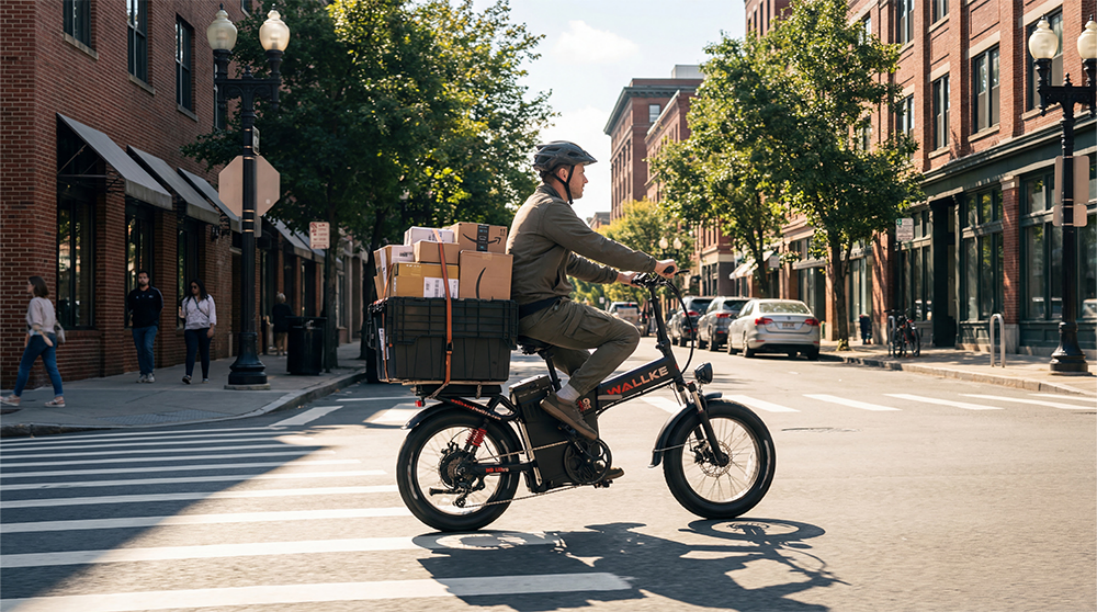
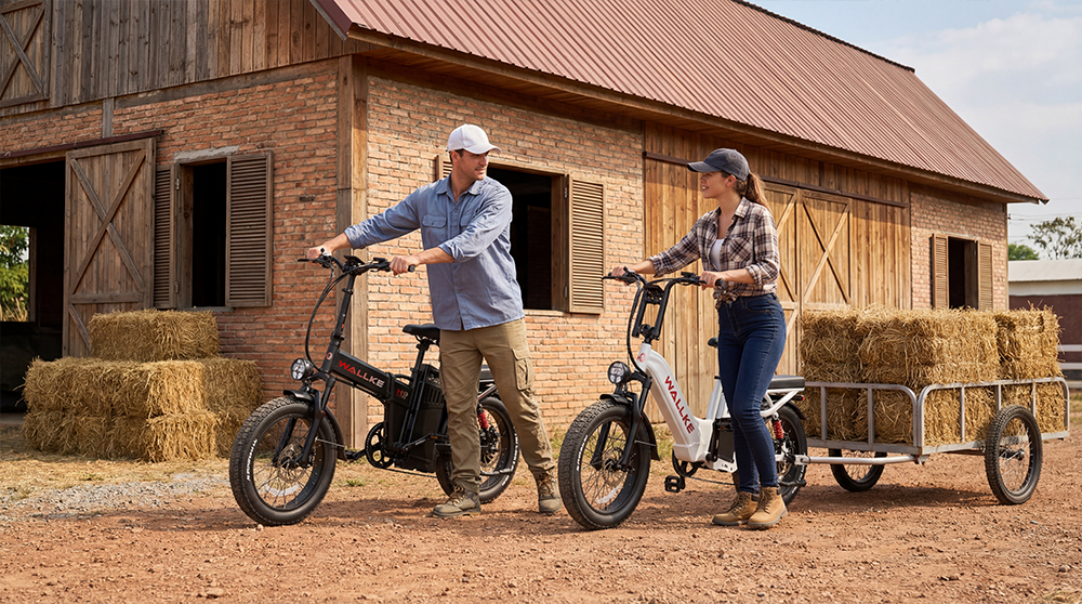
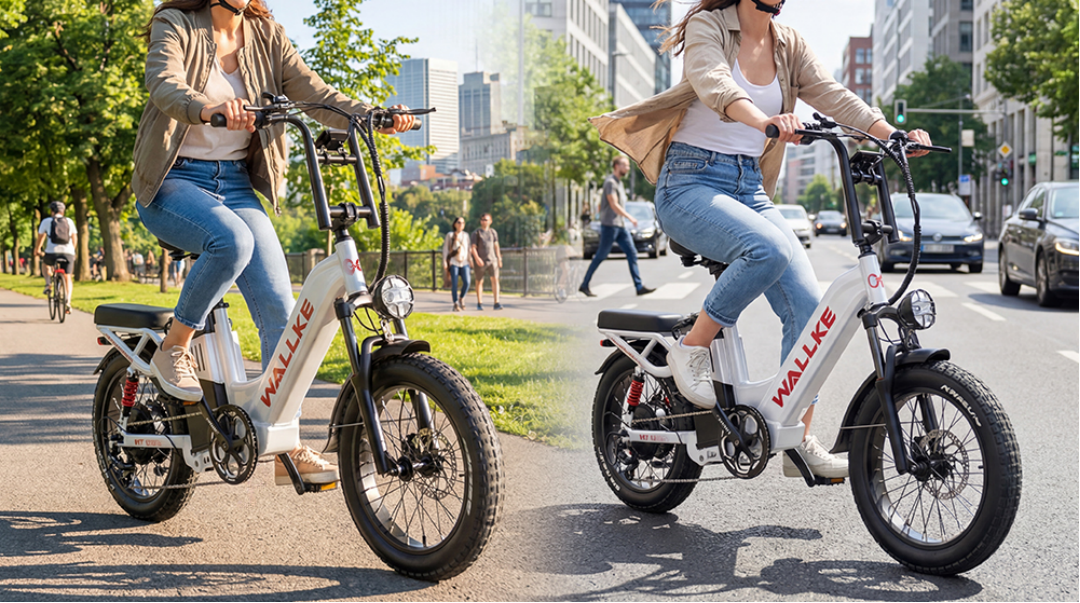
The traditional perception of the electric bicycle is being dismantled by the practical realities of modern labor and logistics. Across North America and Europe, the profile of the ebike rider is changing. They are no longer just weekend warriors seeking scenery; they are professional delivery couriers navigating congested city streets, farm managers overseeing hundreds of acres, and outdoor enthusiasts pursuing remote hunting grounds.
According to market intelligence reports from the Light Electric Vehicle Association (LEVA) and recent sector analysis by Fortune Business Insights, the global ebike market is undergoing a fundamental structural transition. While the industry was historically anchored by leisure and fitness segments, data indicates a 'Utility Shift': professional-grade platforms now account for a significantly larger share of new registrations, with urban logistics-focused ebike adoption rates in major metropolitan markets experiencing a year-over-year growth trajectory approaching 40% (2024-2025 analysis). This transition underscores the evolution of the electric bicycle from a recreational asset into a certified utility ebike—a machine engineered for high-frequency professional workloads, sustained payload capacity, and extreme operational reliability.
The transition toward professional-grade utility ebikes is also driven by a pragmatic shift in capital allocation. Compared to the high overhead associated with maintaining light commercial vehicles—including rising fuel costs, insurance premiums, maintenance, and parking fees—transitioning to a heavy-duty ebike is a calculated exercise in financial prudence. By reducing the total cost of ownership (TCO) and eliminating the barriers of urban congestion, these vehicles offer a superior return on investment. This is not merely an environmental choice; it is a strategic move to maximize profit margins by leveraging high-performance, low-maintenance technology that transforms everyday mobility into a more cost-effective and productive enterprise.
This shift creates a distinct demand for performance that transcends standard consumer-grade specifications. For a professional ebike for delivery, the primary metric is not top speed on a flat road, but torque-to-weight ratio and battery longevity during repetitive stop-and-go cycles in varied weather conditions. In the context of a food delivery ebike, reliability is synonymous with income; equipment failure is not an inconvenience, but a loss of operational capacity.
Similarly, in the agricultural sector, the farm ebike serves as a silent, agile alternative to heavy combustion-engine machinery. Operators require high-torque motors capable of traversing soft soil and steep grades while hauling tools or harvested goods. When we look at the requirements for a hunting ebike, the engineering stakes rise even further. These riders need stealth, rugged suspension systems to handle erratic terrain, and the structural integrity to carry heavy gear deep into the backcountry where trail maintenance is nonexistent.
Wallke: Bridging the Gap Between Adventure and Utility
As the demand for high-performance utility vehicles grows, manufacturers are being forced to rethink the fundamentals of ebike design. The transition toward a heavy duty ebike requires a departure from standard frame geometries. Engineering for utility means prioritizing a low center of gravity to accommodate heavy loads, reinforced aluminum or steel alloy frames, and hydraulic braking systems that can reliably stop a fully loaded bike on a decline.
While the market is flooded with recreational options, companies like Wallke are carving out a space at the intersection of extreme adventure and professional-grade utility. Since its inception in 2018, Wallke has focused on the philosophy that a vehicle should not have a "ceiling" on its performance. By integrating features such as high-capacity battery systems and robust suspension setups, they have effectively blurred the lines between a high-speed commuter and a rugged utility machine.
This is where the concept of "certified" becomes the definitive factor. In a professional or rugged environment, reliability is not subjective—it is a measurable output of engineering standards and safety validations. For a cargo ebike intended for commercial work, managing heat dissipation during extended climbs or high-payload transit is critical. If the motor or controller is not optimized for continuous power delivery, the vehicle becomes a liability rather than a tool.
To ensure this level of "Confidence in Every Mile," ndustry leaders like Walker are now looking to international safety benchmarks to separate recreational toys from industrial-grade tools. True utility is built around core certifications such as UL 2849 (Electrical Systems for Ebikes) and UL 2271 (Batteries for Light Electric Vehicles), which guarantee that the electrical and battery systems can withstand the thermal and mechanical stresses of heavy daily use.
Furthermore, compliance with EN 15194, CE, and UN 38.3 standards ensures that the drivetrain and battery chemistry meet the most stringent global safety requirements. These are not just labels; they represent a "Silent Guardian"—an Intelligent BMS (Battery Management System) that provides overcharge, overheat, and short-circuit protection, allowing a utility electric bike to operate safely in high-stakes environments like busy delivery routes or remote off-grid locations.
The company’s approach is rooted in the idea that riders should not be limited by their equipment. Whether it is a folding model designed for urban flexibility or an off-grid power-storage model for long-range expeditions, the engineering intent remains consistent: building a machine that handles the "tougher terrain." By developing platforms that excel in diverse environments—from city streets to farm lands—Wallke addresses the core needs of the modern utility user who requires a tool that is as adaptable as their workday.
The Future of Task-Oriented Transportation
As we look toward the future of micro-mobility, the integration of electric bicycles into the professional workforce seems inevitable. As cities implement more restrictive zones for combustion vehicles and agricultural operations seek more sustainable, quiet alternatives for land management, the role of the utility ebike will only expand.
The successful platforms of tomorrow will be those that provide modularity, enabling a single utility electric bike to serve multiple purposes. A bike that can haul delivery equipment during the week and navigate rugged trails on the weekend represents the ideal evolution of the technology. The industry is currently moving away from specialization toward versatility, ensuring that whether a rider is delivering goods, managing livestock, or traversing the wild, they are equipped with a machine that turns a daunting task into an efficient journey.
For those interested in exploring professional-grade ebike platforms engineered for both performance and endurance, more information can be found at: https://wallkeebike.com/
Hong Kong tengye Trading Limited
Hong Kong tengye Trading Limited
email us here
Legal Disclaimer:
EIN Presswire provides this news content "as is" without warranty of any kind. We do not accept any responsibility or liability for the accuracy, content, images, videos, licenses, completeness, legality, or reliability of the information contained in this article. If you have any complaints or copyright issues related to this article, kindly contact the author above.
