

Friendly Recovery Announces Updated Outpatient Mental Health Treatment Framework
A visual reminder that mental health is an ongoing process, not a fixed endpoint, reinforcing the importance of continued care and support.

A visual overview of Asana Recovery’s full continuum of care, from outpatient programs to sober living and long-term alumni support.

A symbolic image representing emotional overwhelm and the need for comfort, safety, and mental health support during difficult periods.
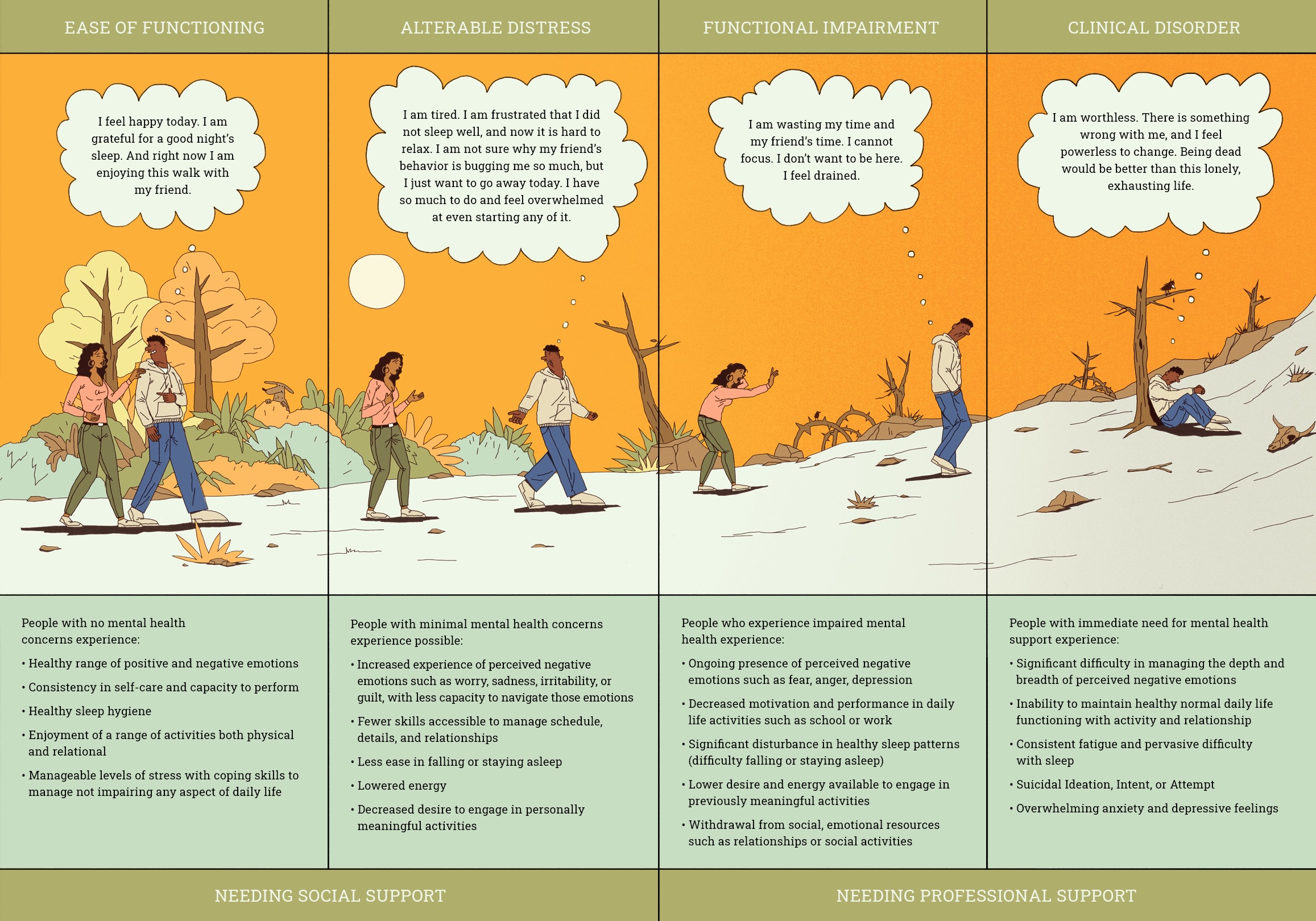
An illustrated overview showing how mental health needs can change over time, from manageable stress to moments when professional mental health treatment is needed.
Friendly Recovery outlines an updated outpatient mental health treatment approach for first-time and returning patients in Orange County.
TUSTIN, CA, UNITED STATES, December 22, 2025 /EINPresswire.com/ -- Friendly Recovery, a Joint Commission–accredited outpatient mental health treatment center in Orange County, today announced an expanded and formalized outpatient mental health treatment framework designed to serve both first-time patients and individuals returning to treatment following prior care experiences.
The updated framework reflects the organization’s response to increasing demand for outpatient mental health services among adults whose clinical needs evolve over time. Mental health conditions such as anxiety, depression, trauma-related disorders, burnout, eating disorders, and emotional regulation challenges frequently require renewed or ongoing intervention rather than a single episode of care.
Friendly Recovery’s announcement formalizes how the organization evaluates, re-engages, and supports patients across multiple stages of treatment, including individuals entering care for the first time and those returning after previous outpatient, residential, or inpatient treatment.
Mental Health Conditions Often Require Ongoing or Episodic Care
Behavioral health providers across the country are observing a growing need for treatment models that account for the non-linear nature of mental health recovery. Clinical progress may occur in stages, and patients may seek additional treatment as stressors change, responsibilities increase, or symptoms resurface.
Friendly Recovery’s updated outpatient framework is designed to align with this clinical reality. The model recognizes that seeking treatment after a prior experience does not indicate regression, but rather reflects appropriate clinical decision-making when symptoms interfere with functioning, emotional stability, or quality of life.
Conditions commonly addressed within the framework include:
• Anxiety and panic disorders
• Depressive and mood disorders
• Trauma and post-traumatic stress responses
• Occupational and caregiver burnout
• Emotional regulation difficulties
• Eating disorders
• Co-occurring mental health and substance use conditions
Mental Health–First Clinical Structure
Friendly Recovery operates as a mental health–first treatment provider. While the organization is equipped to address co-occurring substance use and eating disorders, outpatient mental health treatment remains the primary clinical focus across all levels of care.
The updated framework standardizes treatment pathways for adults experiencing psychiatric instability, anxiety, depression, trauma-related symptoms, and emotional regulation challenges, while maintaining flexibility to adjust care intensity based on individual presentation and progress.
Many patients served within the outpatient model are not experiencing acute crisis. Individuals frequently continue working, attending school, or managing family responsibilities while reporting symptoms that have become increasingly difficult to manage. Friendly Recovery’s outpatient structure is designed to address these needs without requiring residential placement.
Formalizing Re-Engagement in Outpatient Care
A central component of the updated framework is the formal recognition of re-engagement as a standard element of outpatient mental health care. Patients returning to treatment may present with different clinical needs than during prior episodes of care, requiring reassessment rather than continuation of previous treatment plans.
Friendly Recovery’s approach emphasizes:
• Individualized clinical reassessment
• Review of prior treatment history as clinical context
• Adjustment of therapeutic modalities and treatment intensity
• Ongoing outcome monitoring
This approach applies to patients across a range of backgrounds, including working professionals, first responders, individuals in leadership roles, and adults managing long-term mental health conditions.
Evidence-Based Treatment Modalities
The updated outpatient framework incorporates evidence-based therapeutic approaches commonly used in the treatment of anxiety, depression, trauma, and related conditions. Modalities utilized within Friendly Recovery’s programs include cognitive behavioral therapy (CBT), dialectical behavior therapy (DBT), trauma-informed interventions, and other clinically supported practices.
Treatment plans are developed and adjusted based on clinical assessment, patient response, and progress over time. The outpatient structure allows for continuity of care while supporting integration of treatment strategies into daily life.
Levels of Outpatient Care
Friendly Recovery provides a continuum of outpatient mental health services, allowing treatment intensity to align with clinical need. Programs include:
• Partial Hospitalization Program (PHP)
• Intensive Outpatient Program (IOP)
• Outpatient mental health therapy
• Trauma-informed group and individual treatment
• Psychiatric evaluation and medication management
For patients presenting with substance use concerns alongside mental health symptoms, integrated dual-diagnosis treatment is available within the organization’s mental-health-first clinical framework.
Accreditation and Clinical Standards
Friendly Recovery is accredited by The Joint Commission, reflecting adherence to nationally recognized standards for patient safety, quality of care, and ethical clinical practice.
The organization’s outpatient framework is aligned with accreditation requirements related to clinical oversight, documentation, staff training, patient rights, and performance improvement. Accreditation status plays a central role in guiding operational and clinical decision-making across all levels of care.
Organizational Perspective
“There is no expiration date regarding mental health support,” said leadership at Friendly Recovery. “Whether an individual is entering treatment for the first time or returning for additional care, the program is structured to meet patients where they are and progress treatment at a practical pace.”
This perspective reflects Friendly Recovery’s emphasis on continuity of care, clinical appropriateness, and individualized treatment planning rather than fixed treatment timelines.
Responding to Community and Workforce Needs
The updated framework also reflects broader trends in workforce and community mental health needs. Increasing numbers of adults are seeking outpatient care for anxiety, burnout, trauma exposure, and mood disorders related to occupational stress, life transitions, and cumulative pressure.
Friendly Recovery’s outpatient model is designed to accommodate individuals who require structured mental health treatment while maintaining employment, education, and family responsibilities.
Long-Term Treatment Orientation
Friendly Recovery’s outpatient framework is oriented toward long-term mental health stability rather than short-term symptom suppression. Treatment goals focus on functional improvement, emotional regulation, and sustainable coping strategies.
Care plans are reviewed and adjusted over time to reflect changes in clinical presentation, life circumstances, and patient goals.
About Friendly Recovery
Friendly Recovery is a Joint Commission–accredited outpatient mental health treatment center located in Tustin, California, serving Orange County and surrounding communities. The organization provides Partial Hospitalization (PHP), Intensive Outpatient (IOP), and outpatient mental health services for adults experiencing anxiety, depression, trauma, burnout, eating disorders, and related mental health conditions.
Friendly Recovery operates with a focus on clinical integrity, ethical standards, and individualized care across all levels of treatment.
For more information, visit friendlyrecovery.com.
Alex Stamatis
Friendly Recovery Center
+1 657-218-9125
email us here
Visit us on social media:
LinkedIn
Instagram
Facebook
Legal Disclaimer:
EIN Presswire provides this news content "as is" without warranty of any kind. We do not accept any responsibility or liability for the accuracy, content, images, videos, licenses, completeness, legality, or reliability of the information contained in this article. If you have any complaints or copyright issues related to this article, kindly contact the author above.
